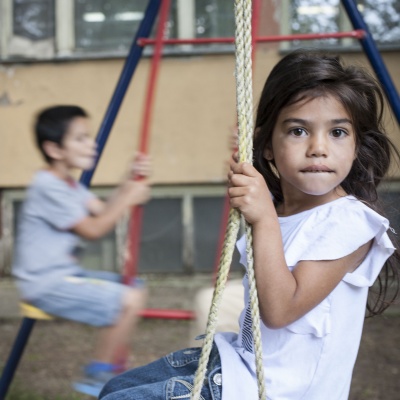
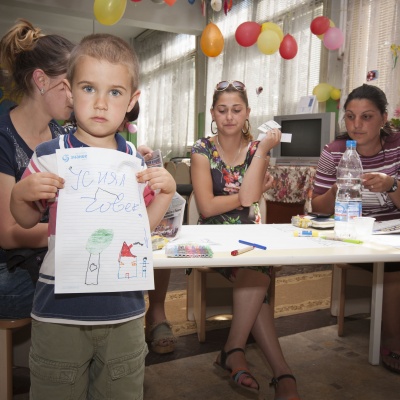
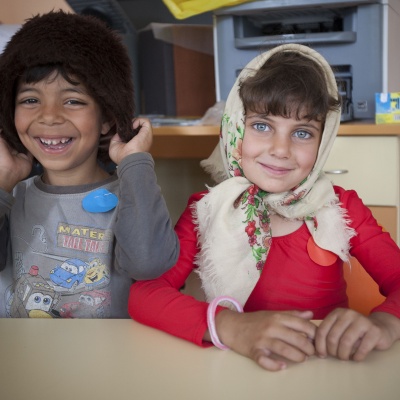
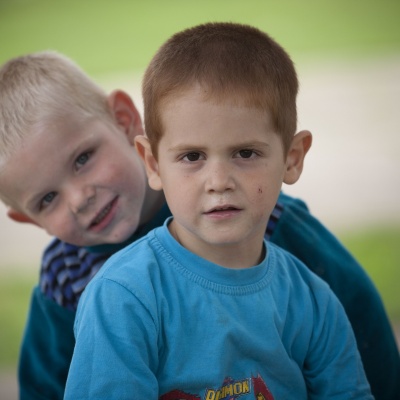
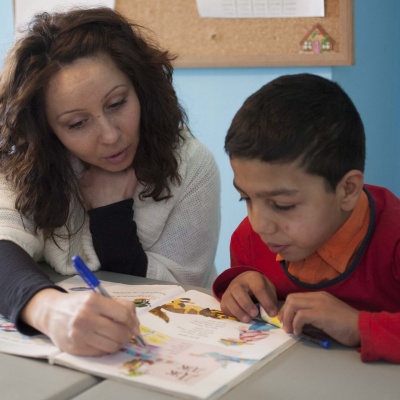
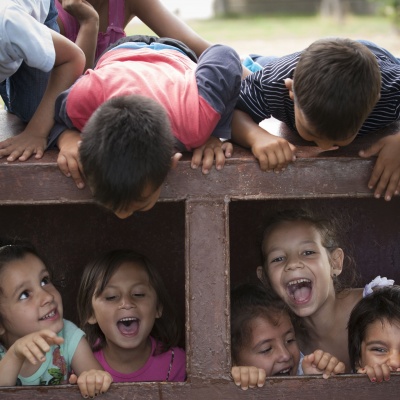
To unlock every child’s potential, access to high-quality early learning is essential. Such environments help children develop language, social-emotional skills, and confidence to succeed in school. In Bulgaria, children who attend three years of kindergarten score 30 points higher on international assessments such as PISA. Early learning lays the groundwork for lifelong success.
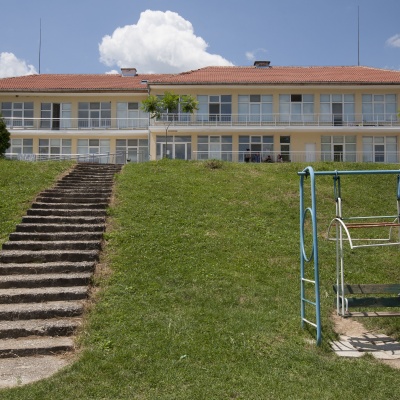
TSA’s partnership with the World Bank’s Strategic Impact Evaluation Fund led to a national impact assessment that identified barriers to Roma participation in early education and recommended interventions to overcome them. These findings, combined with strong advocacy, resulted in the 2022 removal of pre-K and kindergarten fees for all children in Bulgaria. Despite this progress, barriers persist: over 19,000 children live in villages without kindergartens, and urban overcrowding often relegates Roma children to half-day programs that hinder both learning and parental employment.
Our Early Learning and Care program rests on three pillars: expanding access, improving quality, and fostering inclusion. To expand access, TSA supports pilots introducing flexible learning models in rural areas lacking kindergartens. These cost-effective programs, developed with municipalities and community centers, offer early education close to home. TSA is also advancing a public-private model that would channel state, municipal, and private resources toward new kindergarten spaces where investment is most needed.
Improving quality is another priority. The current Bulgarian curriculum is largely didactic. Through partnerships with universities and kindergartens, TSA promotes interactive teaching that fosters curiosity, collaboration, and creativity. Teacher training combines workshops, classroom observation, and peer learning, ensuring teachers gain practical tools to support child development.
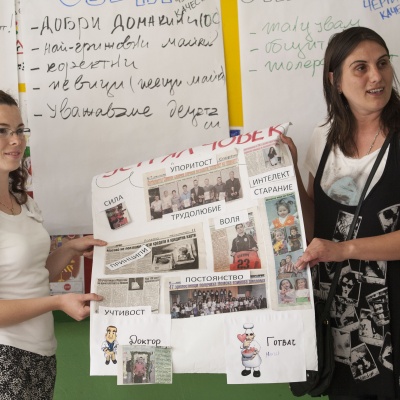
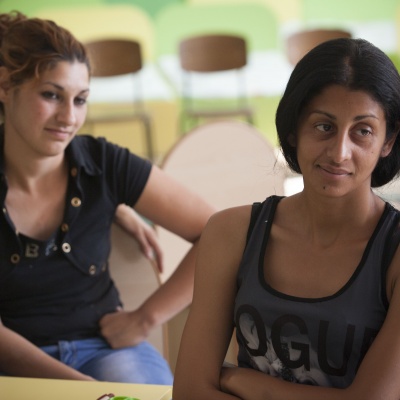
Inclusion remains the third pillar. Educational mediators—bridges between schools and families—play a vital role. TSA helped advocate for new policies that now allow kindergartens to fund mediator positions directly, improving job stability and institutional recognition. Still, Roma professionals remain underrepresented, limiting trust and engagement. TSA’s “Teacher in My Community” initiative supports Roma students to pursue pedagogy degrees and join the teaching workforce. Several cohorts of Roma educators have already graduated and begun work, with additional cohorts in training.
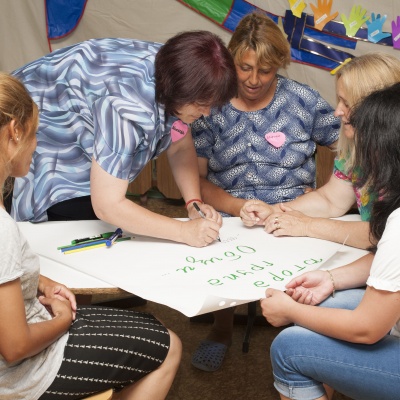
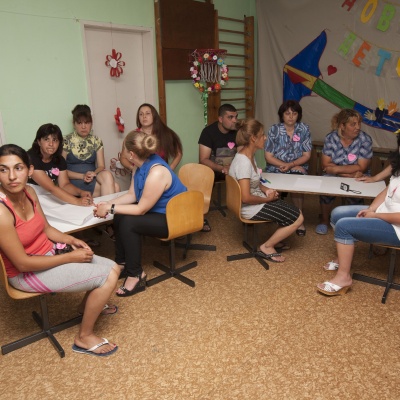
Parental engagement anchors all these efforts. By linking local voices to national policy discussions, TSA ensures reforms reflect real community needs. Looking ahead, the team will expand early learning services in underserved areas, strengthen teacher capacity, increase Roma representation in early education, and influence national quality standards to ensure all children learn in environments that nurture their full potential.